
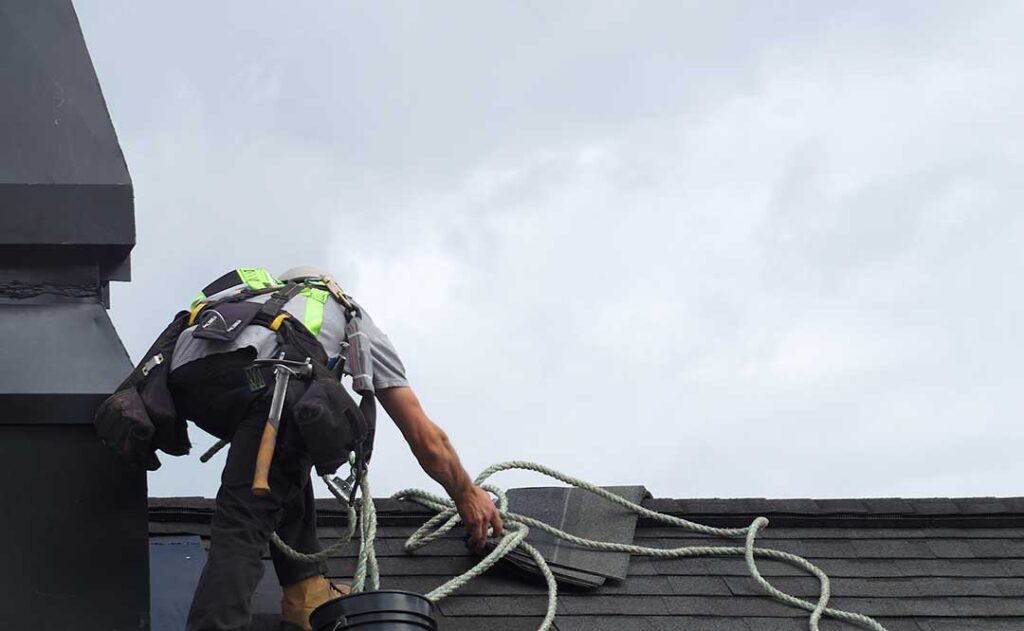
Poor roof installation can create problems long before the shingles appear worn out. In Olean, NY, homeowners may notice symptoms after heavy rain, winter freeze-thaw cycles, high winds, or snow accumulation. Some warning signs are visible from the ground, while others appear inside the home as moisture damage, drafts, or unusual temperature changes.
Recognizing these clues early can help distinguish installation problems from ordinary aging and may prevent a small defect from becoming a larger structural issue.
What does poor roof installation look like from the ground?
Several visible defects suggest that roofing materials were not installed correctly. A single imperfection may not prove that the entire roof was poorly installed, but several signs together deserve closer attention.
Look for:
- Shingles that appear uneven, wavy, loose, or raised
- Shingle edges that do not line up in a consistent pattern
- Exposed nail heads where fasteners should be covered
- Missing, cracked, or visibly damaged shingles on a relatively new roof
- Sections that appear to sag between rafters or along the roofline
- Flashing around chimneys, vents, skylights, or wall intersections that looks loose or poorly sealed
- Roofing cement or sealant applied in thick, irregular patches as a substitute for proper flashing
- Gutters or downspouts that contain an unusual amount of shingle granules
Shingles should generally form straight courses with consistent spacing. Uneven rows can indicate inaccurate layout, rushed installation, or movement caused by inadequate fastening.
Why are lifted or missing shingles a concern?
Shingles that lift, slide, or blow away may not have been fastened correctly. Roofing manufacturers specify where nails should be placed and how many fasteners each shingle requires. Nails driven too high, placed too close to an edge, or omitted from part of a shingle can reduce its resistance to wind.
Improper fastening is especially concerning after a storm. A roof may look acceptable immediately after installation but begin losing shingles during the first season of strong wind. In cold weather, stiff materials and repeated freezing and thawing can make weakly secured shingles more vulnerable.
Curling can also occur when shingles are not properly sealed, are installed in unsuitable conditions, or are affected by poor attic ventilation. Curling on a newer roof is not automatically normal aging.
What indoor signs point to an installation problem?
Water stains on ceilings or upper walls are among the clearest warnings, but leaks do not always appear directly below the defect. Water can travel along roof decking, rafters, insulation, or framing before entering a room.
Indoor warning signs include:
- Brown or yellow ceiling stains
- Peeling paint or bubbling drywall near the top of a wall
- Damp insulation in the attic
- Musty odors after rain
- Drips around chimneys, vents, or skylights
- Mold-like spotting on roof sheathing
- Daylight visible through the roof deck
- Rusted nails or damp wood in the attic
- Repeated leaks in the same general area
A leak that appears only during wind-driven rain may point to faulty flashing, an open seam, or inadequate underlayment rather than a simple hole in the field of shingles.
Moisture can remain hidden for a long time, especially beneath insulation. By the time a stain appears inside the living area, the roof assembly may already have experienced repeated wetting.
Can poor flashing cause roof leaks?
Yes. Flashing defects are a common cause of leaks because roof surfaces meet vertical walls, masonry, pipes, and other interruptions at these locations.
Proper flashing directs water away from vulnerable joints. Problems may include:
- Flashing installed over existing debris or uneven surfaces
- Missing step flashing where a roof meets a sidewall
- Counterflashing that is absent, loose, or improperly cut into masonry
- Pipe boots that are cracked, displaced, or poorly fitted
- Valleys that do not shed water cleanly
- Sealant used alone where layered flashing is needed
Roof valleys deserve particular attention because they carry concentrated runoff. Leaves, ice, and snow can make a poorly designed or poorly installed valley perform even worse. Water that backs up in a valley may enter beneath shingles or through gaps in the underlayment.
How can ventilation problems reveal poor installation?
A roof can be covered with attractive shingles and still have serious ventilation defects. Inadequate intake or exhaust ventilation may trap heat and moisture in the attic.
Possible signs include:
- Frost or condensation on the underside of the roof deck during cold weather
- Damp insulation
- Mold-like growth on wood surfaces
- Excessive heat in the attic during summer
- Premature shingle deterioration
- Paint damage or moisture problems near the ceiling
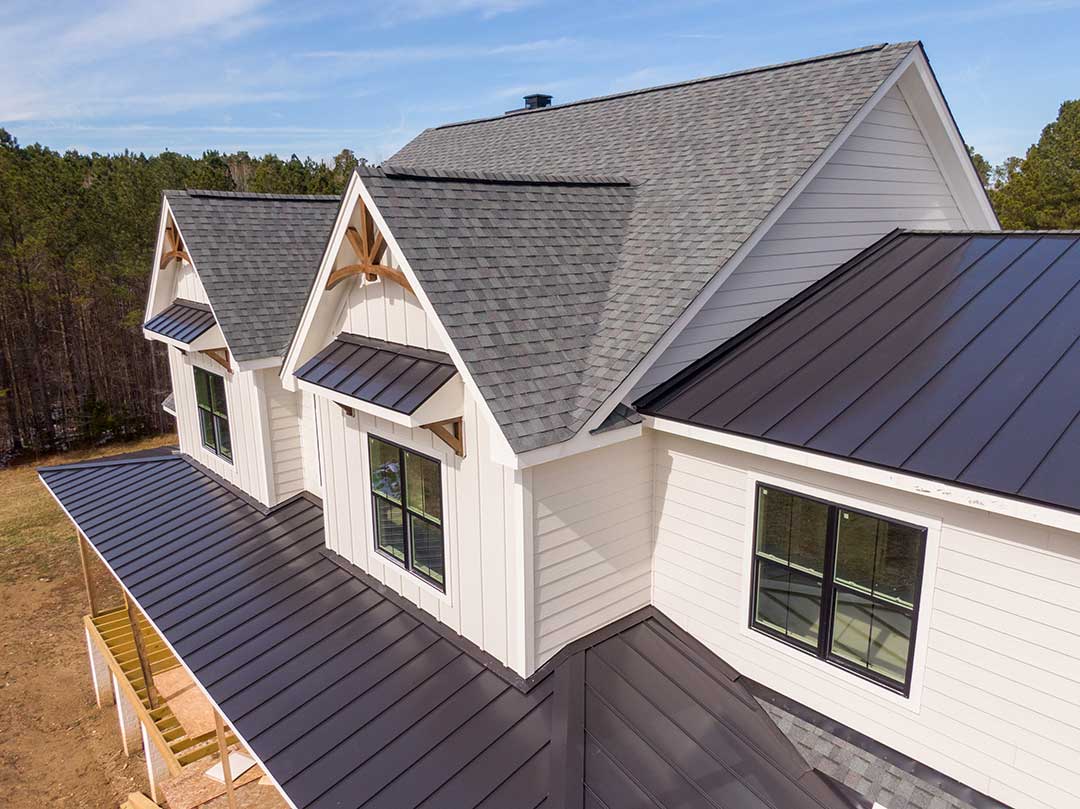
Ventilation must be balanced. Adding an exhaust vent without enough intake airflow may not solve the problem and can sometimes draw air from the living space. Blocking soffit vents with insulation is another installation or maintenance problem that can limit airflow.
In a climate with cold winters and frequent temperature changes, attic moisture can freeze, thaw, and repeatedly wet wood components. That makes ventilation and air sealing particularly relevant to long-term roof performance.
What installation details are easy to overlook?
Some defects are not obvious from the ground but can affect durability and water resistance.
Important details include:
- Underlayment that is missing, damaged, or incorrectly overlapped
- Ice-barrier material that is not properly installed in vulnerable eave and valley areas
- Drip edge omitted or installed in the wrong relationship to the underlayment
- Roof penetrations cut too large around pipes or vents
- Fasteners that miss the roof decking
- Nails driven too deeply, cutting through shingle material
- Inadequate clearance around chimneys and other heat-producing components
- Roof decking that was left damaged or soft beneath the new covering
A new roof does not automatically correct problems in the underlying deck, framing, ventilation, or drainage system. Covering deteriorated materials without addressing them can leave the visible surface looking new while the supporting assembly remains vulnerable.
How can homeowners tell poor installation from an old roof?
Age alone does not explain every roofing problem. A roof near the end of its expected service life may show widespread granule loss, brittleness, cracking, and general surface wear. Poor installation tends to produce localized or pattern-based problems, particularly around seams, edges, valleys, penetrations, and flashing.
The timing also matters. Repeated leaks, shingle loss, or visible defects soon after installation suggest that workmanship or material handling may be involved. However, storms, falling branches, animals, and manufacturing defects can create similar symptoms.
Useful records include:
- The date of installation
- Photographs taken before and after the work
- Storm dates and observed damage
- Repair receipts or written descriptions
- Notes about where leaks appear and under what weather conditions
This information can help separate an isolated event from a recurring installation defect.
What should be checked after a major storm?
After strong wind, heavy rain, or rapid snow and ice changes, inspect the roof from the ground if conditions are safe. Look for missing shingles, displaced flashing, sagging gutters, exposed underlayment, and debris impact.
Do not climb onto a wet, icy, or damaged roof. Avoid entering an attic if the ceiling is sagging, water is near electrical equipment, or the structure appears unstable. Active leaks should be contained from inside with a bucket or container while avoiding contact with wet electrical fixtures.
A roof that appears intact from outside may still have hidden damage. Interior staining, damp insulation, and wet framing can be more informative than surface appearance alone.
When does a roof problem require prompt attention?
Prompt evaluation is justified when water is entering the home, the roof deck is sagging, large areas of shingles are missing, flashing has separated, or electrical components may have become wet. These conditions can create safety risks and allow damage to spread.
For less urgent concerns, such as uneven shingles on a newer roof or recurring minor leaks, documenting the condition and monitoring changes can provide useful evidence. Roof problems are easier to understand when observations are recorded by date, weather conditions, location, and severity.
Poor installation is not always dramatic at first. Small inconsistencies in fastening, flashing, ventilation, or drainage can become more visible through repeated exposure to rain, snow, ice, wind, and temperature changes. In the local climate, early attention to those details can help protect the roof structure and the interior of the home.
