
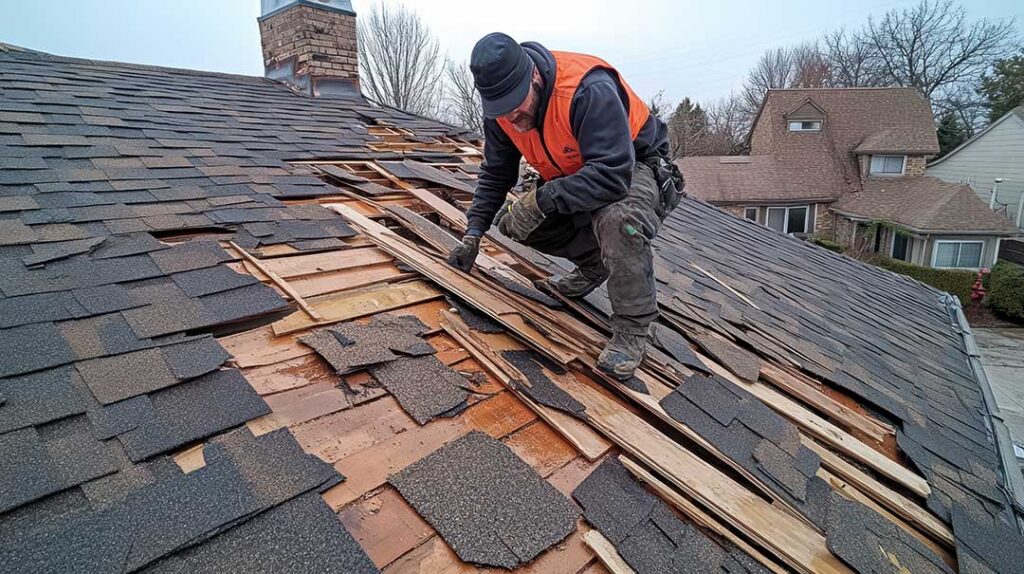
Why Do Roofs Need Special Protection During Renovations?
Renovations often mean increased activity on or around the roof. Even projects that don’t involve direct roof work—like siding, window upgrades, or additions—can put your roofing system at risk of accidental damage. In places like Olean, NY, where older homes and varied weather conditions present unique challenges, taking steps to protect your roof ensures its lifespan and prevents leaks or costly repairs later.
During renovations, shingles can be loosened or punctured, gutters knocked askew, flashing bent, or debris left behind. Area households often underestimate how vulnerable a roof can be until after avoidable damage has occurred.
What Risks Should Homeowners in Olean Expect During Renovations?
Any roof—regardless of whether it’s metal, asphalt shingle, or another material—can be affected by renovation activity. Risks include:
- Shingle breakage or loss from foot traffic or ladders
- Nails, sawdust, and sharp debris leading to punctures or blockages
- Dislodged gutters, especially during siding or painting work
- Water infiltration after damage to flashing or roof penetrations (chimneys, vents, skylights)
- Hidden stains or rot from slow leaks behind unfinished work
Seasonal weather poses extra risk in the region. For example, early spring in Olean can bring sudden rain or even late snow, both of which require extra vigilance when the roof’s surface may be exposed.
How Can You Minimize Roof Damage From Construction Traffic?
The single biggest threat during home renovations is increased traffic on the roof. Workers frequently step, drag ladders, or use the roof as a storage spot for tools—each action has potential to harm the roofing surface.
To protect against common problems:
- Lay down sturdy roof protection mats or boards if workers must access the roof
- Require all access to the roof to be minimized and kept to strictly necessary areas
- Communicate in advance with anyone working around the home so they understand the specific vulnerabilities of older roofing in the community
- Ask for debris chutes or covered walkways if material is being moved from upper stories, to keep dropped objects from landing on the roof or in gutters
Olean homeowners often have homes that are one or two stories tall, making it tempting for workers to cut corners with ladders. Insist that safety and protection measures are used consistently.
What Materials or Barriers Provide Effective Temporary Roof Protection?
The best temporary barrier depends on the type of renovation and roofing material, but several common options help shield the roof:
- Heavy-duty tarps, securely attached and checked daily, prevent stray building materials from contacting the roof directly
- Plywood sheets can cushion against dropped tools or heavy foot traffic in specific zones
- Magnetic strips or sweeps help capture stray nails, screws, or metal debris before they cause problems
It’s also wise to check these barriers after any high gusts or storms, which can dislodge coverings in the variable Olean climate.
Are There Local Building Rules to Consider During Roofing and Renovations?
The city and Cattaraugus County follow New York State building codes, which include standards for roof penetrations, flashing, and weatherproofing. Major home renovations that alter the building’s footprint or structure may require a permit; minor repairs or purely cosmetic changes typically do not.
If the project exposes any section of the roof to the elements overnight, it’s generally required to make the home “weather-tight” before work stops for the day. This means ensuring that tarps or barriers are in place and verified as secure, especially given the tendency for evening storms and high winds in the area.
How Can Debris and Runoff Be Managed to Protect Roofs and Gutters?
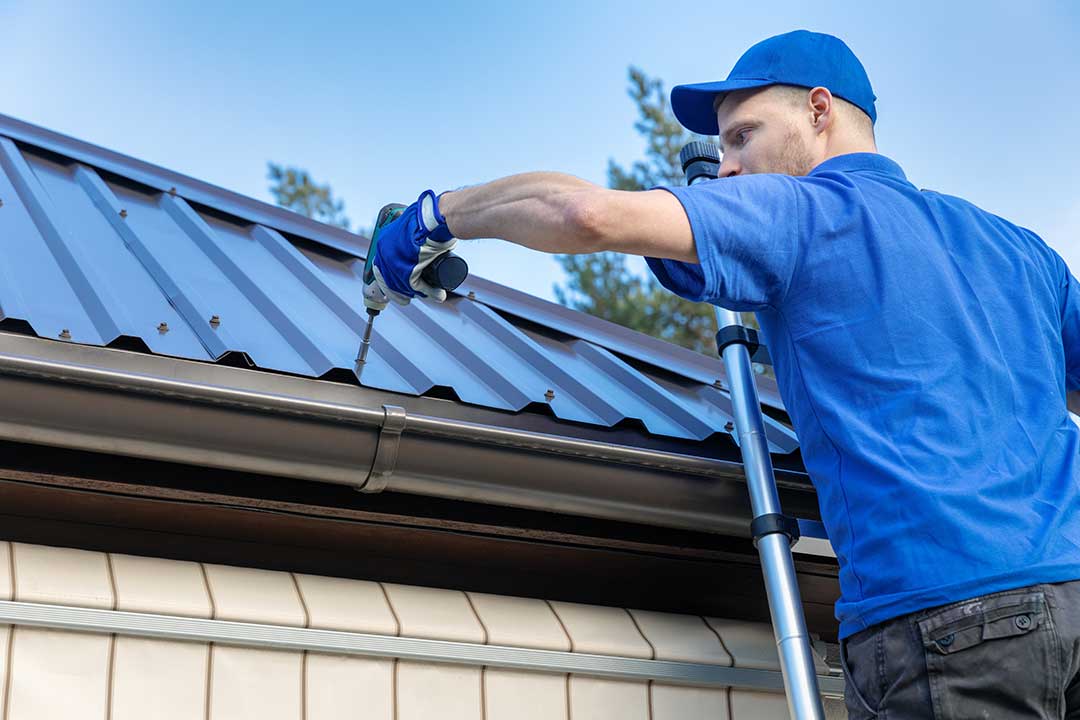
One overlooked hazard is the accumulation of sawdust, shingle granules, and other debris, which can block gutters and downspouts. In Olean, where large trees are common, gutters already handle significant leaf and stick load; extra construction waste compounds clogging risk.
Practical steps include:
- Scheduling daily or twice-weekly checks of gutters and roof valleys during any ongoing renovation
- Installing temporary gutter guards or mesh screens until the project is complete
- Checking for nails or scraps using a hand magnet along the edges and eaves, especially near walkways
Clearing debris protects against interior water damage and eliminates a common cause of ice dams once colder weather returns.
What About Protecting Attic Spaces From Dust and Moisture?
Sometimes, exterior renovations require cutting into the roof, adding dormers, or replacing skylights. When this happens, it’s not only the exterior that is at risk—attics and upper floors can be exposed to dust, rain, or ongoing drafts.
- Cover attic openings with heavy plastic sheeting and painter’s tape before construction starts
- Store vulnerable items in airtight bins or move them temporarily away from construction areas
- After any day’s work that exposes the roof, inspect the attic for signs of moisture seepage or visible daylight between roof decks and newly installed barriers
These steps help local residents avoid musty smells, insulation damage, and moisture problems that can escape notice until well after the renovation dust settles.
What Are Common Mistakes Homeowners Make With Roof Protection?
Based on questions and repairs seen in the area, a few pitfalls stand out:
- Assuming “minor” renovations won’t impact the roof if not directly involved—often, siding, gutter, or other exterior work does
- Forgetting about roof edge details such as flashing, drip edges, and ridge caps—these are frequently knocked loose without immediate leaks, but become points of weakness later
- Delaying small repairs during renovation (like sealing nail holes) until after the project is over—procrastination can allow water to find its way in during Olean’s wet seasons
In local experience, tackling damage or potential vulnerabilities promptly, even if they seem superficial, saves time and expense later.
