
What Materials from a Roof Can Actually Be Recycled?
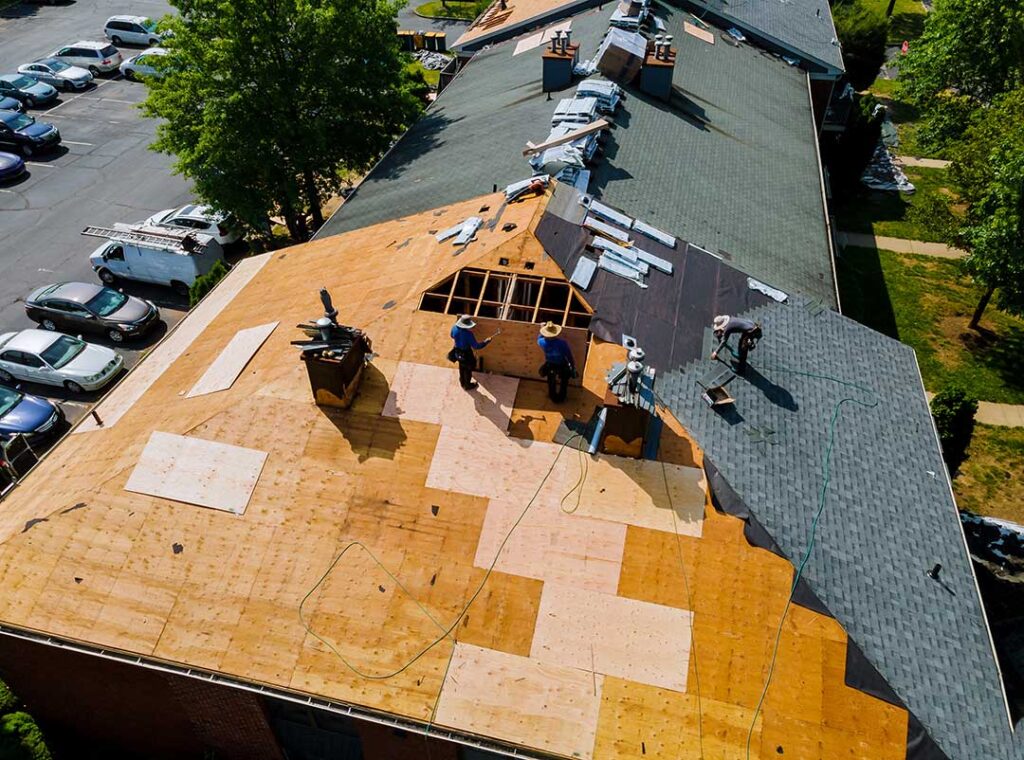
Most roofing materials removed from homes in Olean, NY, can be recycled in some form, but it depends on both the material type and its condition. The most common roofing materials in the area are asphalt shingles, metal, wood, slate, and clay tiles. Each requires different handling.
- Asphalt shingles are the most widely used and are accepted for recycling in many upstate areas, primarily to be processed for use in paving roadways.
- Metal roofing—especially steel and aluminum—can often be taken to local scrap metal yards.
- Wood shingles sometimes find new use as mulch or biomass fuel, provided they have not been treated with hazardous chemicals.
- Slate and clay tiles are less commonly recycled in a traditional sense, but can be repurposed.
Residents are often surprised to learn that age, embedded nails, and lingering debris can affect whether waste facilities and recyclers will accept their roofing waste.
How Does Asphalt Shingle Recycling Work Here?
Old asphalt shingles are ground up and reused mainly in paving products like hot-mix asphalt. In the Olean area, shingles must be free from a range of contaminants—such as excess nails, plastic wrap, and other non-shingle materials. This is critical because debris can interfere with processing equipment or the quality of recycled material.
Area residents should know:
- Shingles with algae or moss can usually still be recycled.
- Wet or damaged shingles are not automatically disqualified, but those with heavy tar buildup or significant contamination (like paint or asbestos) cannot be processed.
- Asphalt shingle recycling is not accepted at all local transfer stations, so it’s wise to check with the Allegany County Solid Waste Division for current options or special collection events.
What About Metal, Slate, or Tile Roofing?
Metal roofing is almost always recyclable, which makes it a desirable choice for those concerned about end-of-life reuse. Aluminum, steel, and copper are accepted by most area scrap yards. Local households can remove major attachments and cut metal panels to manageable sizes to make transport easier.
Slate and clay, by contrast, are not as widely processed through municipal recycling. Instead, many people salvage undamaged tiles or slates for reuse in other construction projects, home repairs, art installations, or garden paths. Some demolition contractors separate and set aside usable pieces for donation or resale, but this is less common in the residential sector.
Where Do Olean Residents Take Old Roofing Materials for Recycling?
There is no single drop-off for all materials. Asphalt shingles and metal each have unique local routes.
- Area transfer stations do not always accept construction debris for recycling, so it is essential to verify which materials, if any, are accepted by advance call or online information.
- Metal pieces can usually be dropped at local scrap metal facilities, often found adjacent to traditional landfills or as standalone businesses. Scrap yards typically require the removal of non-metal materials.
- Asphalt shingles may be accepted during regional “clean-up” days or at facilities that have arrangements with paving recyclers in the broader region. If not, separating them from other waste can help when seasonal recycling events arise.
For homeowners generating a large volume during a major re-roofing, renting a special dumpster specifically labeled for recyclable roofing materials can help ensure materials go to the right downstream facility. Always confirm the destination with the waste hauler to avoid contamination of recycling streams.
Can Old Roofing Be Repurposed Rather than Recycled?
Many local households find creative reuse more feasible than formal recycling, especially for small amounts.
- Asphalt shingles in good condition can be offered for use in driveways, walkways, or small repairs.
- Metal roofing is often reused for sheds, fencing, or even as decorative siding in outbuildings.
- Wood shakes or shingles might serve in garden pathways or compost bins, but only if they are untreated.
- Slate and clay tiles are commonly upcycled for landscaping edges, craft projects, or patching smaller roofs.
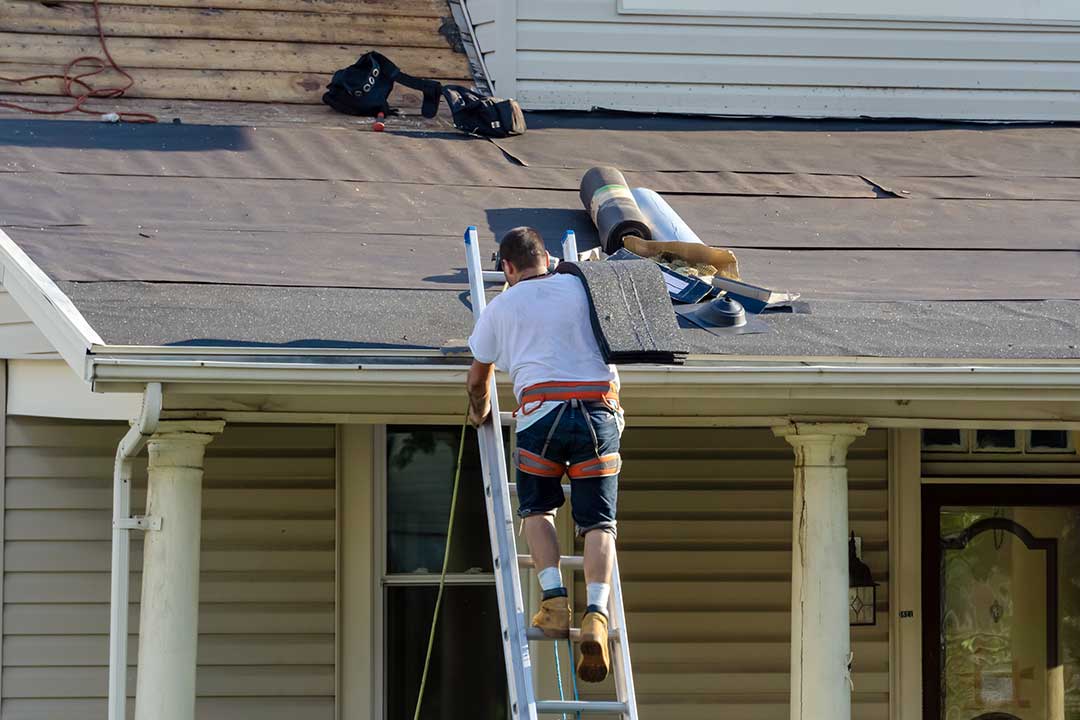
Repurposing projects require careful cleaning and sorting. If in doubt about whether a material poses any environmental or health risks—such as the presence of asbestos in old roofing—it should not be reused.
Are There Environmental or Safety Risks with Roofing Waste in Olean?
Improper disposal of roofing materials can have environmental impacts on the Olean community—especially due to leaching chemicals or excess landfill waste. Asphalt shingles, while technically landfill-safe, last almost indefinitely underground and may contain small amounts of fiberglass or asphalt that don’t decompose.
If roofing materials contain asbestos—which may be the case for roofing installed several decades ago—handling and disposal become a safety risk. In such cases, state guidelines require special abatement and disposal practices. Homeowners should research the age and original manufacturer of their roofing if unsure.
Nails, sharp edges, and dust often cause common minor injuries. It’s advised to wear gloves and heavy-duty clothing when handling or transporting old materials. Be sure to keep children and pets away from staging or collection areas.
What Common Mistakes Should Be Avoided When Trying to Recycle Roofing Materials?
A few recurring issues can complicate recycling efforts for local households:
- Mixing different roof types together, which makes separation and sorting at recycling facilities more difficult.
- Leaving nails and fasteners in the material—metal recyclers may accept those, but shingle processors often require them to be mostly free of metal parts.
- Assuming all transfer stations or dumpsters will keep recycled material separate. Some facilities in the region combine construction debris streams, so always double-check with facility staff.
- Placing roofing materials in curbside blue bins or recycling totes—they require specialized collection and should never go in residential recycling streams.
Clearly labeling waste piles when hiring help or working with neighborhood volunteers can prevent misunderstandings.
Where Can Olean Residents Find More Information about Regulations and Opportunities?
Olean area regulations may be updated seasonally based on landfill capacity and regional recycling contracts. The City and Allegany County websites provide updates on waste disposal guidelines, special recycling event calendars, and current transfer station practices.
The New York State Department of Environmental Conservation also posts general construction and demolition material recycling guidance. Staying informed through these sources helps prevent accidental disposal violations and increases the odds roofing waste is handled responsibly.
