
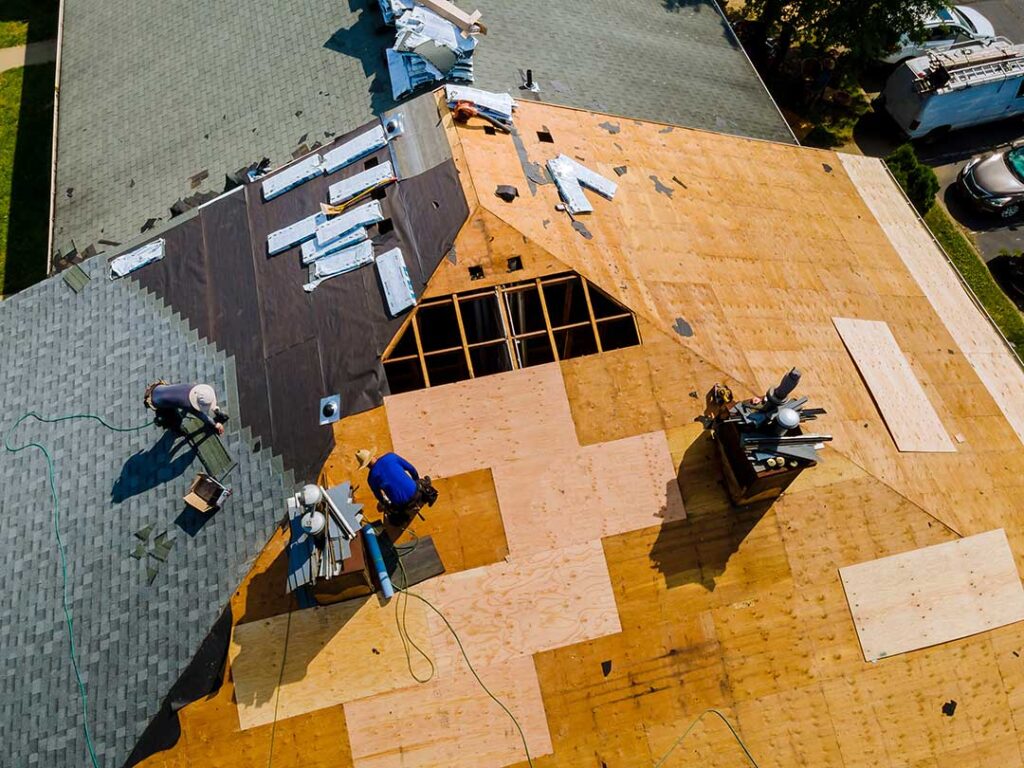
What Are the Most Frequent Roof Repair Errors in Olean, NY Homes?
Homeowners in Olean, NY often attempt to fix roof issues themselves, especially after a challenging winter or the arrival of spring rains. The most frequent mistakes center around underestimating the climate’s effect, using the wrong materials, or performing rushed repairs. These errors can lead to recurring leaks, premature roof aging, or even safety hazards inside the home.
Common problems include:
- Patching over damaged shingles instead of replacing them
- Mismatched materials that don’t hold up to local weather conditions
- Failing to seal nail heads or exposed surfaces, letting water in
- Overusing caulk as a quick fix, which rarely lasts through a full season
Often, these missteps are the result of trying to save time or cost, but they can create far greater trouble if left unchecked.
Is Rushing Repairs After a Storm a Problem?
Many residents start repairs quickly after heavy wind, snow, or ice events for peace of mind. While urgency is understandable, rushing may overlook hidden moisture, structural weakness, or broken flashing. This can cause repeated leaks or interior water stains.
Best practice is to fully inspect the attic, ceiling, and eaves for signs of dampness or mold. Temporary repairs—such as tarping—should be replaced with permanent solutions as soon as possible, ideally after the roof has dried completely so trapped moisture doesn’t cause rot or mold to spread.
Why Do Material Choices Matter So Much in a Local Climate?
Using the wrong shingles or underlayment for Olean’s freeze-thaw cycles isn’t just inefficient; it risks costly repairs later. Local winters can cause inexpensive adhesives or weak materials to fail quickly, especially with ice damming at the roof’s edge.
Homeowners often use leftover, mismatched, or visually similar shingles after a windstorm, not realizing that even slight differences in thickness or material type may allow water to seep below. Over time, patchwork repairs break down faster, especially at roof valleys or ridges where snow collects and melts unpredictably.
To avoid problems:
- Confirm that replacement materials match what’s already installed—especially for shingles, underlayment, and flashing.
- Consider weather-rated products, especially those known for water and ice resilience.
- Store leftover materials indoors, out of sunlight and moisture, to avoid premature aging before they’re used.
Are DIY Repairs Safe and Effective?
Many Olean area residents try to handle small repairs themselves, but working on the roof carries unique safety risks. Slippery surfaces, hidden ice, or deteriorated decking may put homeowners in danger, especially during damp or cold months.
Minor repairs like replacing a few shingles or resealing flashing can often be managed by careful, physically able adults—but only when safety guidelines are followed. This includes:
- Using secure ladders placed on solid ground
- Wearing protective gear, including slip-resistant shoes
- Avoiding roof work during wet, windy, or icy conditions
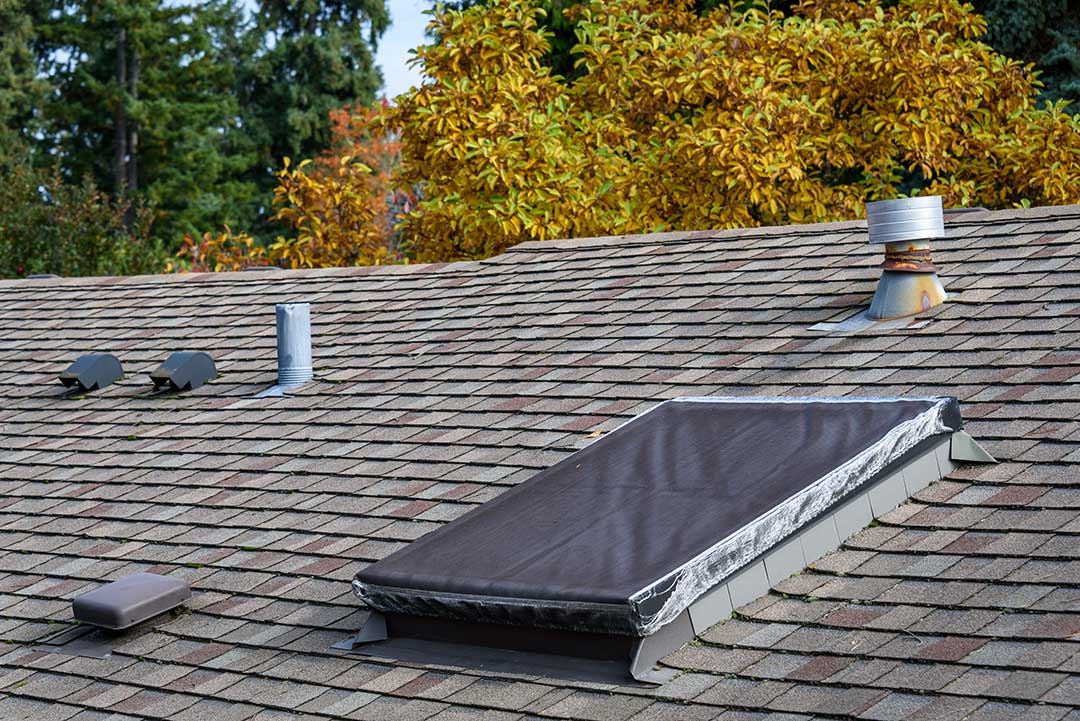
For larger issues involving sagging structures, signs of rot, or suspected electrical damage from leaking water, leaving the work to trained professionals is necessary to protect both home and occupants.
Do Leaks Always Mean Obvious Roof Damage?
Leaks are a major concern in the community, especially after seasons of snow loading and ice. However, not all leaks originate directly above visible water stains or mold. Water can travel along rafters or insulation, appearing far from its source.
A common mistake is sealing a leak at the ceiling or patching the attic floor, without addressing the exterior problem. This may stop indoor drips temporarily but often results in hidden wood decay and persistent mold. Always investigate above and beyond the immediate stain, including checking flashing at chimneys, vents, valleys, and transitions between roof pitches.
How Does Neglecting Ventilation and Insulation Worsen Problems?
Roof repairs that ignore attic ventilation and insulation are often incomplete. In Olean, warm air escaping from living spaces combines with cold outdoor temperatures, forming ice dams along roof edges. These ice dams trap water on the roof, causing leaks under shingles and into the attic.
Patch repairs that don’t address underlying insulation gaps or blocked soffit vents contribute to faster roof deterioration and higher heating costs in local homes. It is wise to check for proper airflow through the attic each spring and fall, and to make adjustments if insulation is compacted or vents are blocked by debris, paint, or nesting animals.
Are Temporary Fixes Ever Enough for This Climate?
Short-term fixes like tar patches, caulking, or adhesive tape may hold out light rain but rarely survive a full Olean winter. Heavy snow load, freeze-thaw, wind, and the risk of ice dams all test the limits of even the most creative patchwork.
Use such solutions only as a stopgap—ideally marked for quick follow-up with proper materials as soon as weather allows. Relying on “quick fixes” year after year increases the chances of undetected moisture causing deeper structural issues, such as rotting rafters or mold behind walls.
What Steps Can Residents Take to Avoid Recurring Mistakes?
Homeowners can limit costly and repetitive roof issues by:
- Documenting repairs and materials used, so upgrades remain consistent
- Visually checking problem spots seasonally, especially after roof work or severe storms
- Understanding that small mistakes, such as exposed fasteners or slightly lifted shingles, will worsen under the city’s diverse seasonal stresses
- Consulting local building codes before substantial work, particularly if replacing large sections or making structural changes
Area households benefit from recognizing that patient, well-matched repairs—done in dry weather—are far more effective and less expensive over time than frequent emergency patches or rushed DIY attempts. Being proactive and observant, while factoring in Olean’s weather, helps prevent common and costly roof repair mistakes.
